For years, the Ultra lineup has been the gold standard for productivity and photography, but let’s be honest: the updates have felt a bit predictable. However, the latest leaks surrounding the Samsung Galaxy S27 Ultra suggest that Samsung is finally ready to break the cycle of incremental changes. From a massive leap in battery capacity to a complete rethink of the camera housing, the next flagship is shaping up to be a serious powerhouse.
The Big Battery Breakthrough
If you’ve been holding onto an older Ultra model, the battery news is likely the most exciting part. For the first time since 2020, Samsung is rumored to be ditching the 5,000mAh ceiling. The Samsung Galaxy S27 Ultra is tipped to pack a 5,700mAh typical battery (5,534mAh rated), representing a roughly 15% increase in capacity over the Samsung Galaxy S26 Ultra.
This jump is made possible by a shift to silicon-carbon battery technology. This isn’t just a number game; it’s about endurance. By using a silicon-carbon anode structure—the same tech appearing in the Galaxy Z Fold 8 and Galaxy Z Flip 8—Samsung can cram more power into the device without making it feel like a brick in your pocket. For heavy power users and multitaskers, this could finally mean a true two-day battery life.
A Fresh Look at the Camera Island
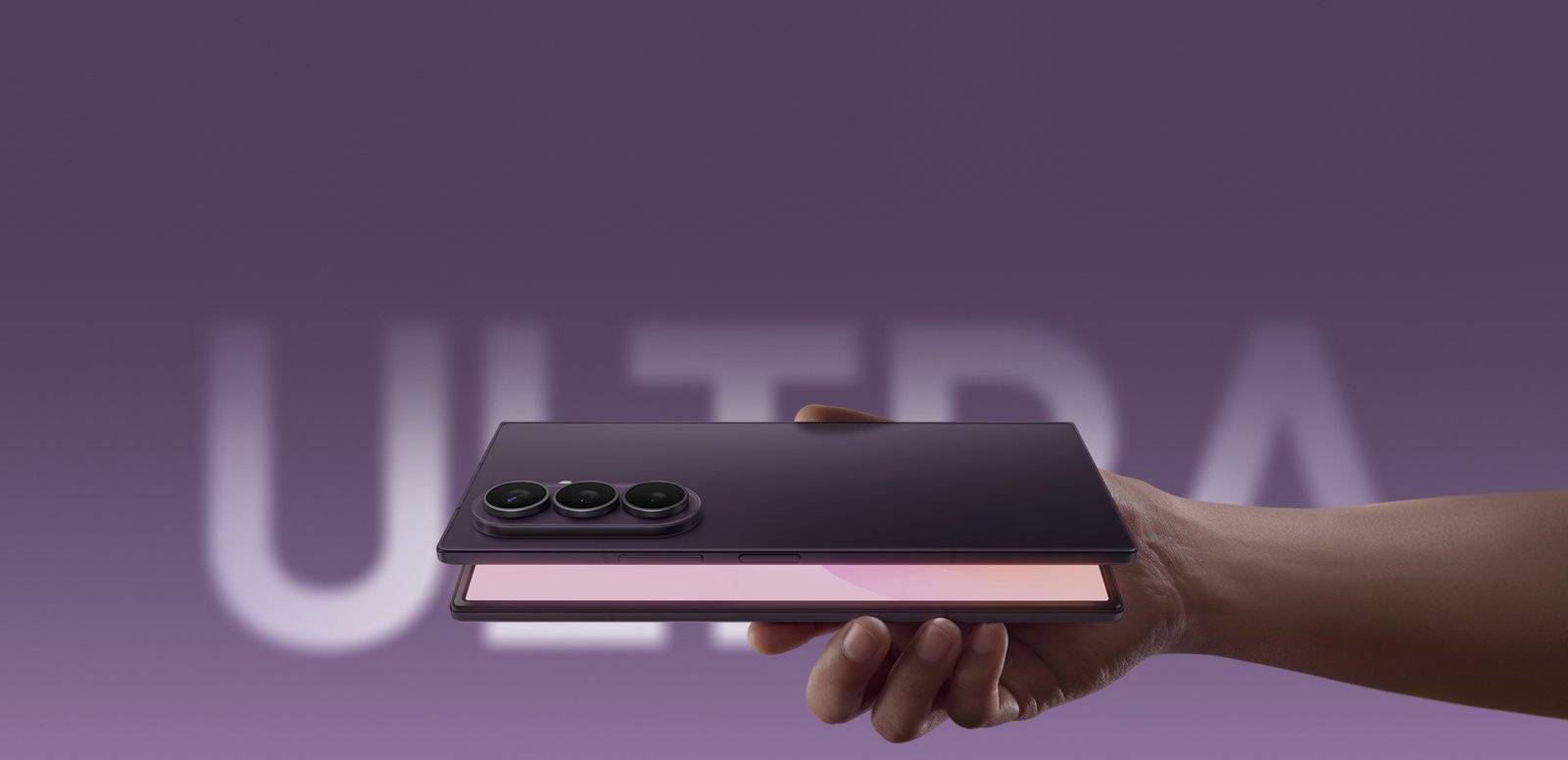
Visually, the Samsung Galaxy S27 Ultra might be the biggest departure we’ve seen in years. We’ve grown used to the “floating ring” design where each lens sits in its own circle. Leaks suggest Samsung is moving toward a more unified camera module, bringing the rear sensors into a single, cohesive housing.
While concept designers are currently experimenting with everything from wide camera bars to quad-camera layouts, the core shift is toward a more integrated look. Under the hood, the camera specs remain monstrous. We’re looking at a 200MP main sensor paired with a 50MP ultrawide (using a Sony IMX855 sensor) and a 50MP 5x telephoto lens. Some reports even suggest a second dedicated telephoto sensor, though that remains a point of contention among leakers.
One small but significant upgrade is the 16MP selfie camera, which is rumored to finally get Optical Image Stabilization (OIS). This is a huge win for vloggers and those who take a lot of handheld front-facing video, ensuring steadier shots and better low-light performance.
Performance: The Good and the Bad
Powering the device will be the Snapdragon 8 Elite Gen 6 Pro for Galaxy, paired with either 12GB or 16GB of RAM. On the front, a 6.9-inch QHD+ Privacy Display is expected, designed to prevent prying eyes from seeing your screen in public spaces.
However, it’s not all sunshine and rainbows. There’s some conflicting information regarding memory and storage. While we hoped for LPDDR6 RAM and UFS 5.0 storage (which would bring sequential performance up to 10.8GB per second), newer rumors suggest Samsung might skip these upgrades for the Samsung Galaxy S27 Ultra to keep costs down. Some sources claim these high-end components might be reserved for “limited edition” phones from other manufacturers instead.
What This Means for Indian Users
While official Indian pricing hasn’t been announced yet, we can look at the South Korean leaks for a hint. Reports suggest a price increase of up to 150,000 won in South Korea, which is roughly ₹9,135 INR ($105) or approximately ₹9,030. If this trend carries over to India, we can expect the Samsung Galaxy S27 Ultra to be slightly more expensive than its predecessor.
For the Indian market, where battery life is a critical factor due to long commutes and high network variability, the jump to a 5,700mAh silicon-carbon battery is a massive selling point. The addition of a 16MP OIS selfie camera also aligns well with the selfie-heavy culture of Indian social media creators.
Is it Worth the Wait?
The Samsung Galaxy S27 Ultra is shaping up to be a device that prioritizes structural hardware upgrades over software gimmicks. If you are currently using a Samsung Galaxy S23 Ultra or older, the combination of a larger battery, a redesigned look and a more capable front camera makes this a very compelling upgrade. However, if you’re on the Samsung Galaxy S26 Ultra, the lack of LPDDR6 RAM and UFS 5.0 storage might make the jump feel less impactful.
- The Win: A massive 5,700mAh battery and a unified camera design.
- The Catch: Potential lack of next-gen RAM and storage speeds.
- The Verdict: A high-water mark for premium Android flagships, provided the price hike is modest.