Early supply chain blueprints and component reports indicate that Samsung is preparing a radical departure from its long-running flagship photography architecture. The upcoming Samsung Galaxy S27 Ultra may abandon the secondary 3x optical telephoto sensor entirely, transitioning from a quad-camera system to a streamlined triple-lens arrangement. Paired with shifts in Qualcomm silicon allocation and chassis re-engineering, the leaks indicate that Samsung aims to refine optical efficiency rather than stack additional sensors.
Also Read: Android 17 Rollout Expands Across OnePlus, Xiaomi, and Samsung
Streamlined Triple-Camera Array Drops Dedicated 3x Sensor
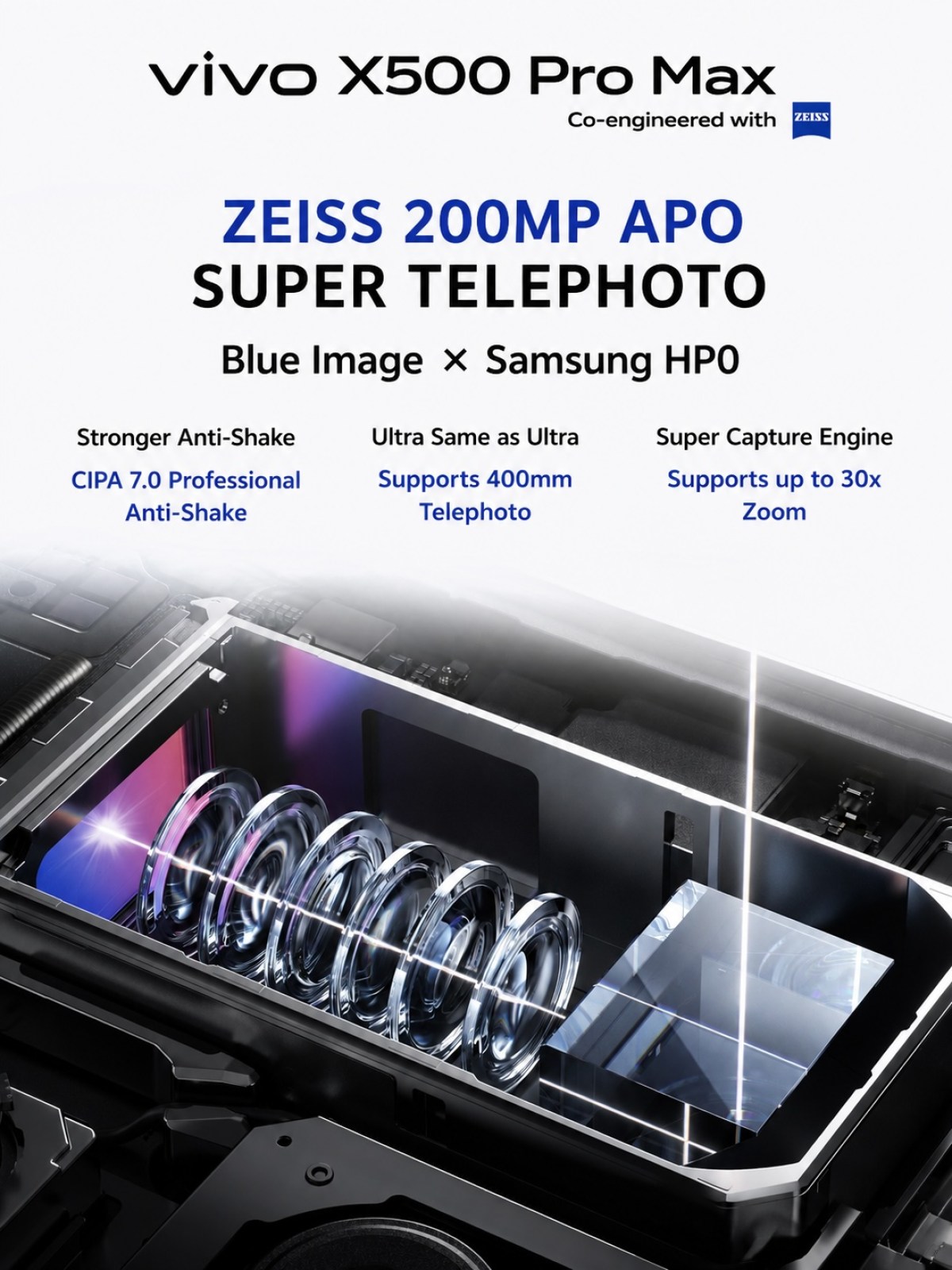
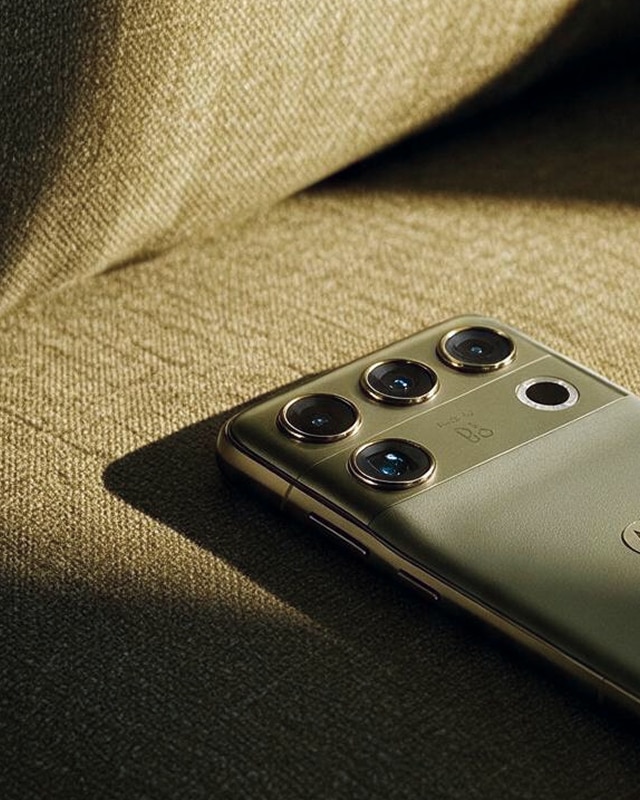
[Supply Chain / Tipster Leak] According to hardware schematics published by industry insiders, the Galaxy S27 Ultra rear imaging system will discard the 10MP 3x telephoto camera that has defined the Ultra lineup for multiple generations. In its place, Samsung plans to deploy a trio of high-resolution modules:
- 200MP Main Sensor: [Supply Chain / Tipster Leak] An upgraded primary wide shooter designed to handle intermediate optical-quality digital crops between 1x and 4.9x through high-density pixel binning.
- 50MP Ultrawide Camera: [Supply Chain / Tipster Leak] A high-resolution ultrawide lens providing improved macro autofocus and low-light peripheral clarity.
- 50MP 5x Periscope Telephoto: [Supply Chain / Tipster Leak] A larger optical zoom module responsible for long-distance capture, portrait rendering, and high-magnification computational processing.
The decision to retire the dedicated 3x shooter reflects an industry trend toward computational sensor crops. By leveraging the immense pixel count of the 200MP sensor, Samsung engineers can extract clean 2x and 3x intermediate portraits without dedicating internal volume to a separate low-resolution sensor. The internal physical space saved by omitting the fourth module allows for optical upgrades elsewhere.
Qualcomm Silicon Strategy: Snapdragon 8 Elite Extreme Gen 6
[Supply Chain / Tipster Leak] On the silicon front, supply chain reports from South Korean tipster yeux1122 indicate that Samsung plans to keep Qualcomm silicon inside the Galaxy S27 Ultra across domestic and international markets. Despite internal benchmarking showing strong progress from Samsung System LSI on the 2nm Exynos 2700, the flagship Ultra variant is slated to run the Qualcomm Snapdragon 8 Elite Extreme Gen 6 processor globally.

Standard Galaxy S27 and Galaxy S27 Plus units will reportedly adopt the Exynos 2700 in European, Asian, and African markets, keeping Snapdragon chips exclusive to North America for base models. However, the premium tier will maintain Qualcomm exclusivity to safeguard consistent thermal headroom and heavy computational imaging pipelines.
Chassis Blueprint and Magnetic Qi2 Integration
[Supply Chain / Tipster Leak] CAD specifications place the Galaxy S27 Ultra dimensions at 163.76 x 78.25 x 7.97 mm. This makes the chassis marginally broader and thinner than the previous generation. Longtime hardware hallmarks remain intact, including the internal S Pen silo, central USB-C connectivity, and speaker grille alignment.
[Speculative Analysis] The exterior housing introduces a restructured two-layer camera bump. This stepped island helps counter desk wobble when resting on flat surfaces. The widened profile also aligns with internal magnetic arrays, setting up native compatibility with Qi2 wireless charging discs and magnetic battery accessories without requiring specialized cases.
Flagship Release Window and Indian Market Pricing Projections
[Speculative Analysis] Samsung adheres to a disciplined hardware launch cadence. The Galaxy S27 lineup will likely make its official debut during a Galaxy Unpacked event in January or February 2027. Following global unveiling, Indian retail availability will open via Samsung Online Store, Amazon India, Flipkart, and authorized offline retail partners.
Baseline launch pricing for the Ultra tier is projected to start around ₹1,34,999 (~$1,299) for the 256GB storage configuration, matching current tier premiums. In the interim, the existing flagship generation continues to see aggressive retailer adjustments. The current Samsung Galaxy S26 Ultra has begun receiving steep promotional discounts, dropping from its original ₹1,29,995 (~$1,250) sticker price to effective checkout rates near ₹90,345 (~$950) on Flipkart through select bank and exchange mechanisms.