The global living room display market is navigating an unprecedented structural shift. While display panels are getting larger, brighter, and significantly cheaper, consumer friction surrounding smart platform monetization, acoustic monitoring, and odd hardware compromises is reaching a boiling point. Manufacturers across Google TV, Samsung Tizen, and LG webOS ecosystems are accelerating feature drops, yet scrutiny over automated tracking remains at an all-time high.
Also Read: Replace Samsung Smart TV Launcher With Ad-Free Home Launcher (2026 Guide)
Hardware manufacturers are balancing aggressive pricing against alternative revenue streams. Digital analytics firms and platform vendors routinely rely on Automated Content Recognition (ACR) to monetize viewing behaviors, analyzing frames and audio signatures across connected consoles, cable inputs, and internal streaming apps. With consumers pushing back against invasive ad tracking, understanding the engineering beneath modern connected displays has never been more urgent.
The ACR Dilemma: How Connected Platforms Monitor Displays
Modern television platforms function fundamentally as network-connected computational hubs. Underneath the sleek interface, software suites actively record telemetry to feed algorithmic recommendation engines and advertiser exchanges. ACR software operates by continuously comparing active on-screen pixels and audio feeds against massive reference databases, identifying precise movies, broadcast segments, or video game sessions in real time.
Opting out requires navigating deliberately hidden menus. On LG displays running webOS, users must locate the Live Plus setting tucked deep within system preferences to stop telemetry ingestion. Samsung implements a similar background process under the Viewing Information Services moniker inside Tizen OS. Google TV platforms, licensed by vendors such as Sony, TCL, and Hisense, allow buyers to reset and delete their advertising identification numbers, though manufacturer-level add-ons like Samba Interactive TV require separate deactivation.
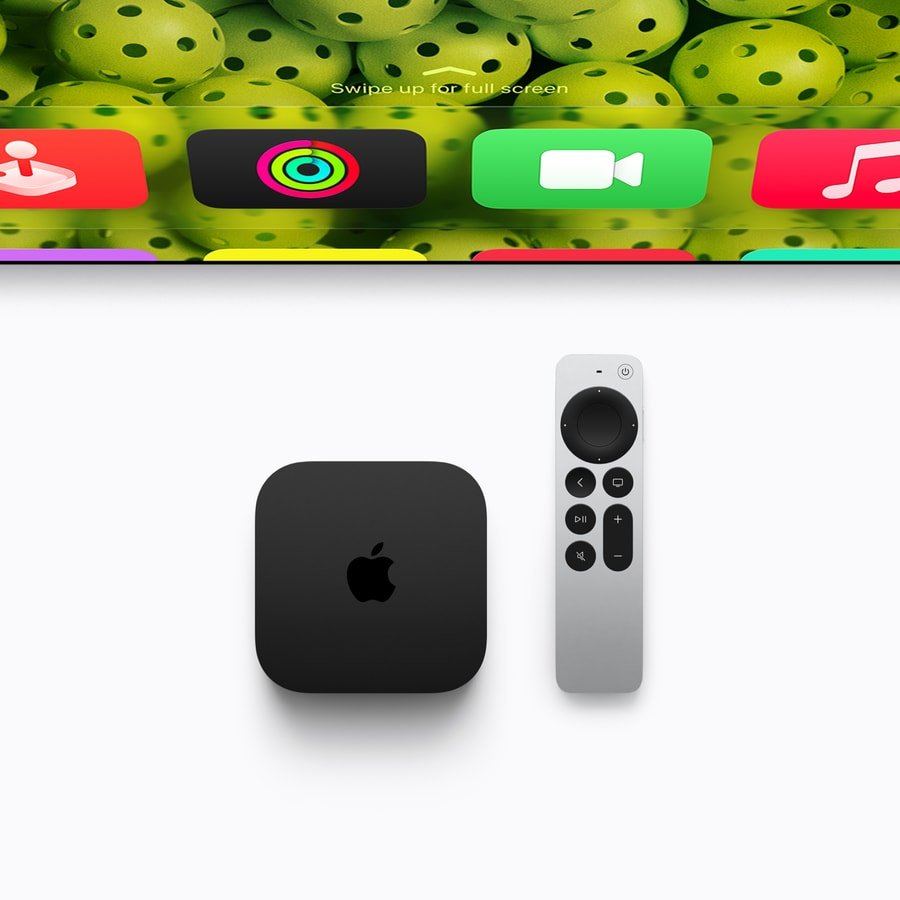
Privacy advocates increasingly urge users to sever television network privileges altogether. By relying on external dedicated streaming pucks or game consoles over HDMI, consumers can isolate the panel purely as a monitor. Physical measures, such as sliding physical microphone disconnect switches on premium sets or taping over far-field microphone apertures, prevent ambient voice data from leaking to cloud servers.

Network Interfaces: The Paradox of Fast Wi-Fi and 100Mbps Ethernet
A persistent oddity in smart television architecture involves network hardware. As streaming services push uncompressed bitrates, Dolby Vision profiles, and Dolby Atmos passthrough, physical connectivity has stagnated. Major television brands continue to install legacy 100Mbps Fast Ethernet ports on flagship sets rather than standard Gigabit interfaces. In contrast, wireless subsystems have advanced rapidly, with mid-range and premium displays integrating dual-band Wi-Fi 5 and Wi-Fi 6 modules capable of delivering theoretical throughput well beyond 500Mbps.
This creates a genuine engineering paradox for home theater setups. Wireless speeds routinely blow past the hardwired LAN jack during local speed tests. However, wireless streams remain inherently vulnerable to channel interference, wall attenuation, and local radio congestion. A wired 100Mbps link provides an uninterrupted, dedicated lane with consistent latency. Because 4K HDR streams on platforms like Netflix or Disney+ peak between 25Mbps and 40Mbps, the humble 100Mbps physical port remains sufficient for native OTT streaming, even if high-bitrate local network streaming across local media servers pushes the port to its ceiling.
Aggressive Pricing Disrupts the Indian Television Sector
Hardware competition in India is heating up rapidly as premium display technologies migrate to entry-level price brackets. High-density Mini-LED backlights, quantum dot filters, and native 120Hz refresh rates are no longer restricted to exorbitant flagship price tiers. Regional manufacturing scale and competitive silicon sourcing have sparked an aggressive price war across online retail channels like Amazon India and Flipkart.
| Model & Display Configuration | Platform | Display Tech & Refresh Rate | Indian Retail Price |
|---|---|---|---|
| Xiaomi F Series (32-inch) | Fire TV OS | HD Ready LED (60Hz) | ₹13,999 (~$165) |
| TCL 32V5C (32-inch) | Google TV | FHD QLED (60Hz) | ₹18,527 (~$220) |
| Samsung Smart LED (43-inch) | Tizen OS | Full HD LED (60Hz) | ₹26,990 (~$320) |
| Lumio Vision 7 (43-inch) | Google TV | 4K QLED (60Hz) | ₹31,999 (~$380) |
| LG NANO NU87 (55-inch) | webOS | 4K NanoCell LED (VRR) | ₹43,990 (~$520) |
| Samsung Neo Series (55-inch) | Tizen OS | 4K Mini-LED (120Hz) | ₹53,900 (~$640) |
| Sony BRAVIA 2 II (50-inch) | Google TV | 4K LED (60Hz) | ₹61,990 (~$735) |
| Xiaomi TV X Pro (75-inch) | Google TV | 4K QLED (120Hz DLG) | ₹69,999 (~$830) |
Evolving Operating Platforms Reshape the Living Room
Software governance remains the defining battleground for display brands. Google TV continues to secure vast market share by licensing its platform to third-party manufacturers, leaning into tailored content suggestions and deep Google Assistant integration. However, proprietary ecosystems are fighting back with distinct advantages. Samsung continues to refine Tizen OS by enhancing gaming hub capabilities, low-latency display modes, and smart home connectivity via SmartThings.
LG is pursuing a similar trajectory with webOS, emphasizing rapid gaming dashboards, Auto Low Latency Mode (ALLM), and variable refresh rate toggles for modern console players. As hardware margins compress, platforms are pivoting toward software monetization, introducing ad-supported free streaming channels and sponsored carousel placements directly onto home screens.
The smart television landscape is no longer just about raw resolution. The combination of network hardware efficiency, consumer data rights, and aggressive panel pricing will dictate which platforms survive the current generation of living room entertainment.