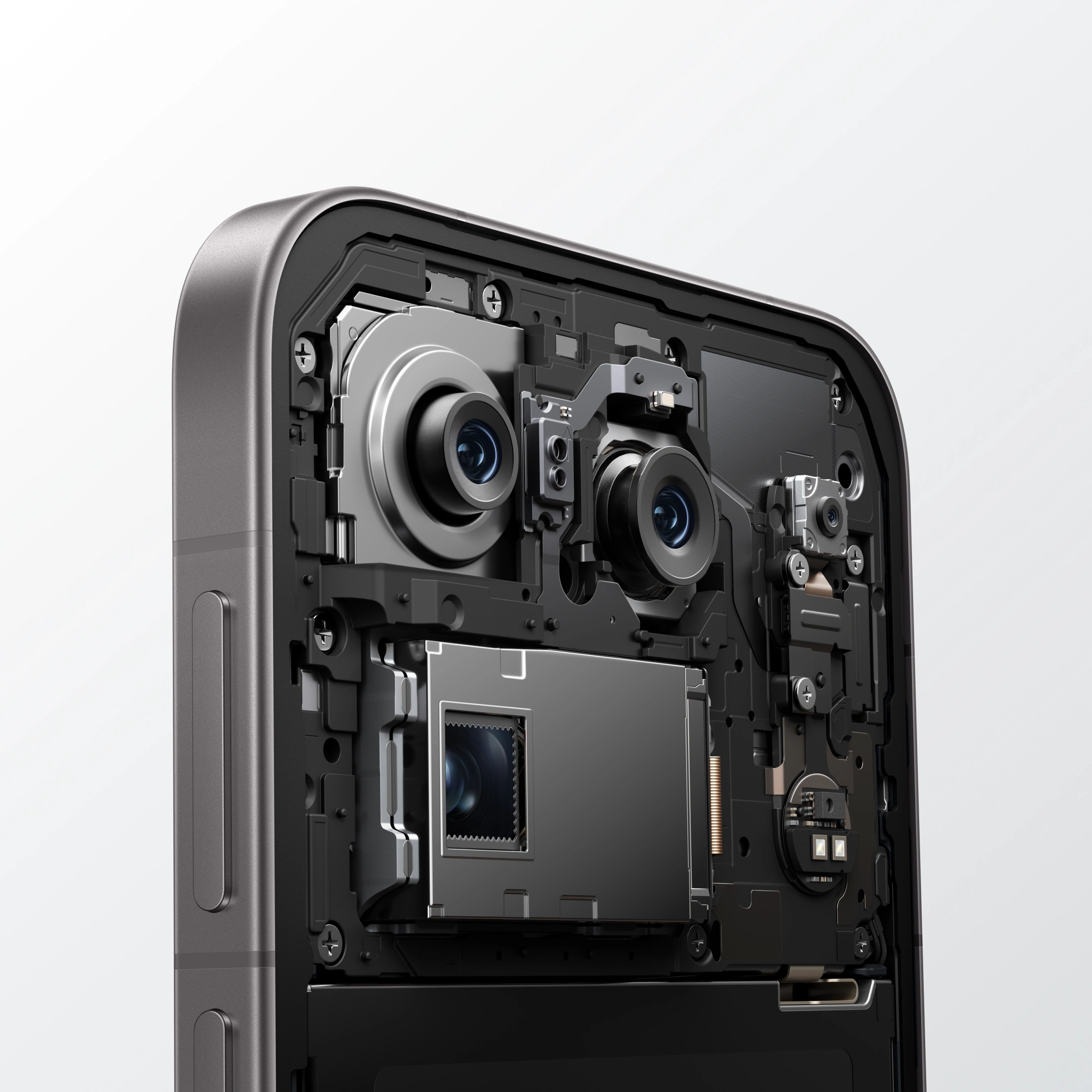
If you have spent any time following the modern smartphone market, you know how stubborn design language can be. Companies love talking about their signature look, that one visual anchor that lets someone spot a device from across a crowded room. For Samsung, that anchor has been the vertical camera module. From high-end foldables that cross the two-lakh rupee mark down to simpler entry-level devices, that same vertical strip has dominated the back of Galaxy phones for years. But recent patent filings hint that Samsung might finally be looking to shake things up, potentially pivoting toward a horizontal camera layout reminiscent of the Google Pixel series.
There is a certain irony here. Samsung did flirt with a horizontal camera arrangement back in the days of the Galaxy S10 series before steering hard into vertical islands and stacked lenses. Patent filings are notoriously fickle things, of course. A design showing up in regulatory paperwork might turn into a commercial product in six months, or it might quietly gather digital dust for six years. We cannot say for certain whether this points toward a future device like the Galaxy S27, especially since the spotted patent images clearly depict a foldable device rather than a traditional slab phone. Still, the prospect of a design overhaul is hard to ignore, particularly because Samsung’s current aesthetic comes with functional baggage.
The Wireless Charging Dilemma and Qi2
The biggest pain point with the current vertical camera arrangement is not just about aesthetics. It is about how the phone interacts with the wider mobile accessory ecosystem, specifically the Qi2 magnetic wireless charging standard. The rest of the wireless charging world is moving toward magnetic alignment rings that snap power banks and wallets directly onto the back of the phone. Samsung’s tall, protruding vertical camera modules make this nearly impossible without custom workarounds.
Owners of devices like the Galaxy Z Fold 8 have to deal with the reality that standard magnetic accessories will often cover up part of a camera lens or fail to sit flush. Samsung has tried to bridge the gap by releasing dedicated accessories, such as its own magnetic battery packs, but these solutions often feel like expensive band-aids over a hardware design problem. Shifting to a horizontal camera bar running across the upper back of the device would free up the lower half for proper magnetic coil placement, clearing the path for standard Qi2 accessories without requiring a specialized case.
Head-to-Head: Galaxy S26 Versus Pixel 11
While the design future remains up in the air, the current generation presents a fascinating battleground between Samsung and its chief Android rival. The launch of the Google Pixel 11 naturally brings comparisons to the Samsung Galaxy S26, which has already been out on the market for a few months. Both devices start at $899 (approximately ₹75,500 based on standard conversion rates), though buyers looking at the Galaxy S26 may find early market discounts since it has had a head start on store shelves.

Under the hood, these two flagships take very different paths. The Pixel 11 relies on Google’s custom Tensor G6 chip, optimized heavily for Gemini-powered artificial intelligence features. However, early performance benchmarks show that Qualcomm’s Snapdragon 8 Elite Gen 5 for Galaxy, which powers the Samsung Galaxy S26, takes a clear lead in raw CPU performance, gaming endurance, and overall battery efficiency.
Looking at the physical hardware, both phones share a remarkably similar footprint. They each feature a 6.3-inch display with a smooth 120Hz refresh rate, though Samsung utilizes an AMOLED panel while Google opts for an OLED screen. Both pack 12GB of RAM and offer storage configurations starting at 256GB. Differences emerge when you look at the battery and weight. The Pixel 11 carries a larger 4,985 mAh battery compared to the 4,300 mAh cell inside the Galaxy S26, making the Samsung flagship nearly a full ounce lighter in the hand.
Camera specifications are closely matched on paper. Both feature a triple-lens rear setup accompanied by a front-facing selfie shooter. The Pixel 11 pairs a 48-megapixel wide lens with a 13-megapixel ultrawide and a 10.8-megapixel telephoto. The Galaxy S26 counters with a 50-megapixel main sensor, a 12-megapixel ultrawide, and a 10-megapixel telephoto lens. For most daily shooters, the slight differences in sensor resolution will matter far less than the software processing. That said, videographers will note that the Galaxy S26 supports 8K video recording, whereas the Pixel 11 caps out at 4K.
Impact and Availability in India
For buyers keeping an eye on the Galaxy S26 series availability in India, global design shifts and accessory trends carry a direct trickle-down effect. Samsung’s flagship S-series and foldable devices command a massive following among Indian tech enthusiasts who track every global patent and benchmark. While global pricing conversions place base flagships around the ₹75,500 mark before local import duties and taxes, the real conversation in India often revolves around ecosystem compatibility and festive sales.
Major online retail pushes on platforms like Amazon India and Flipkart frequently align with festive periods such as Diwali, bringing older generations and accessories into sharp focus. If Samsung does eventually transition away from its vertical camera housing toward a horizontal bar layout in future iterations, it will signal a rare, pragmatic concession to universal standards like Qi2. For Indian consumers who invest heavily in multi-device charging desks, magnetic car mounts, and ecosystem accessories, moving past the awkward camera bumps of the past few generations cannot happen soon enough.