Ending nearly two decades of resistance to touch-enabled laptops, Apple officially unveiled the MacBook Pro with PROLED XDR Display at its October event. The new flagship pro notebook marks the debut of both multi-touch glass and tandem OLED screen technology across the Mac lineup. Powered by Apple M5 Pro and M5 Max silicon, the laptop pairs tactile direct manipulation with a substantially lightened chassis, the return of the iconic glowing rear lid logo, and an interactive Dynamic Island on macOS 27.
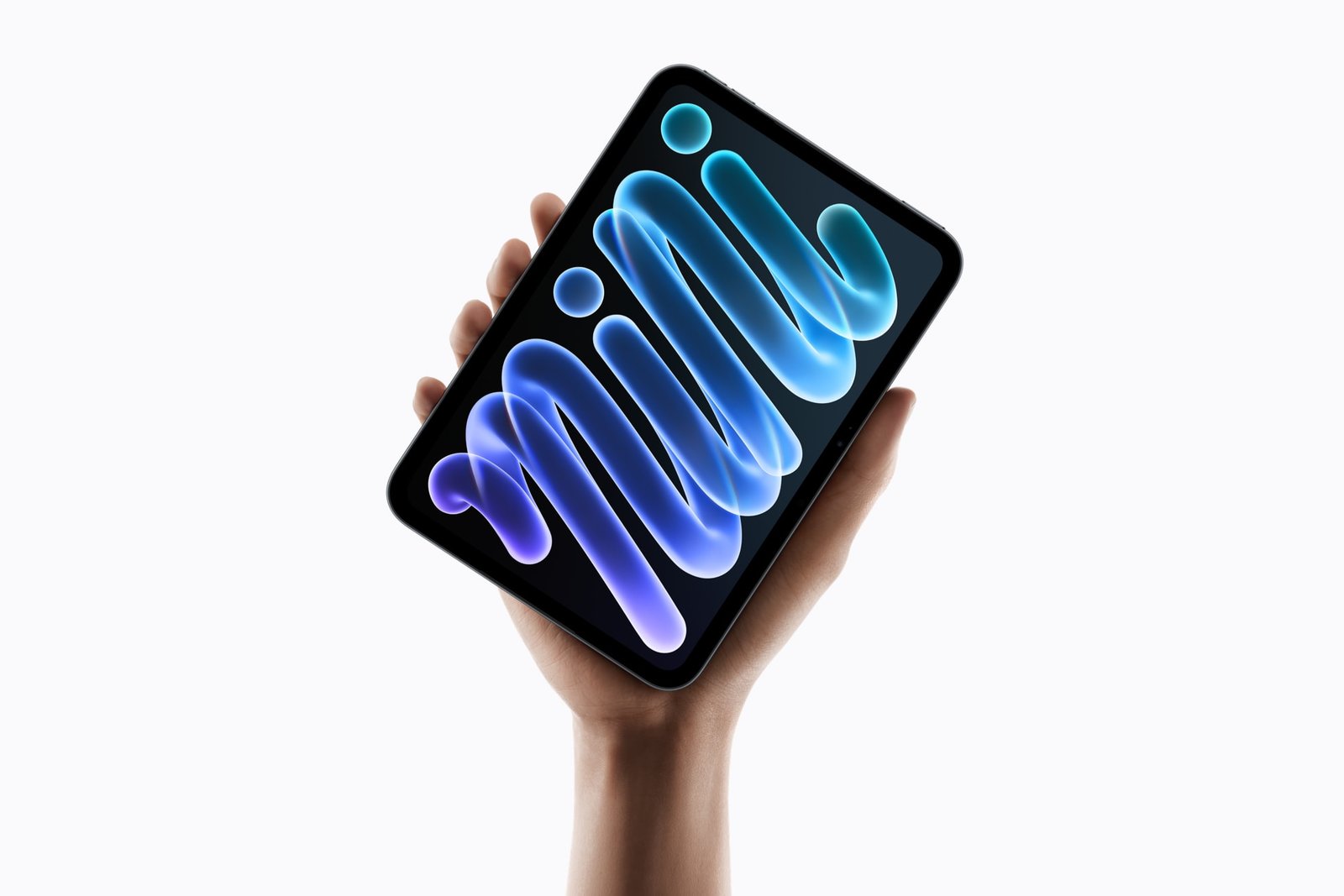
Also Read: Apple Unveils Redesigned iPad Mini With OLED and A20 Pro
Announcement Highlights:
- First-ever touchscreen Mac integrating in-cell multi-touch sensors directly into a tandem OLED panel
- PROLED XDR display offers up to 2,000 nits peak brightness and a 10,000,000:1 contrast ratio
- Equipped with Apple M5 Pro and M5 Max chips with configurations supporting up to 128GB RAM and 16TB SSD storage
- Retail pricing starts at ₹2,44,900 (~$2,899) for the 14-inch model, with shipments beginning November 6
PROLED XDR Architecture and In-Cell Touch Integration
Rather than laying a traditional digitizer sheet over an existing glass stack, Apple integrated multi-touch sensors directly inside the tandem OLED panel. This in-cell approach removes an entire layer of glass and adhesive. Touch latency drops significantly, making taps, gestures, and pinches feel immediate. Apple executives noted that direct touch is designed as an auxiliary tool to complement the existing full-size keyboard and Force Touch trackpad, preserving the desktop ergonomic foundation.
To support repeated physical tapping without display bounce, Apple re-engineered the notebook hinge with tighter tolerances and friction damping. The tandem OLED PROLED XDR display outputs up to 2,000 nits of peak brightness for HDR highlights and bright outdoor ambient conditions, while maintaining 1,000 nits sustained full-screen brightness. Dynamic refresh rates range from 10Hz to 120Hz via ProMotion, accompanied by a 10,000,000:1 contrast ratio and native Adobe RGB color coverage for creative professionals.
Lighter Enclosure, Dynamic Island, and Glowing Apple Logo
Despite adding touch hardware, Apple reduced overall chassis weight. The 14-inch variant weighs approximately 3.0 pounds (1.36 kg), shaving off half a pound compared to previous mini-LED chassis designs. The 16-inch variant drops to roughly 4.0 pounds (1.81 kg). Portability improves noticeably for field workers, video editors, and touring engineers.

At the center top of the display sits the Dynamic Island, migrating to macOS for the first time. The cutout houses an upgraded 12MP Center Stage webcam while dynamically expanding to show background render progress, music playback, Spotlight lookups, and Live Activities. On the exterior lid, Apple revived the illuminated white Apple logo, a signature aesthetic element absent from pro laptops since the 2016 design overhaul.
M5 Pro and M5 Max Silicon Performance Profiles
Processing duties belong to Apple M5 Pro and M5 Max silicon. Built on advanced process nodes, both chips incorporate hardware neural accelerators inside each GPU cluster to accelerate local generative AI workloads and complex media processing tasks.
| Hardware Feature | MacBook Pro PROLED XDR (2026) | MacBook Pro Mini-LED (Predecessor) |
|---|---|---|
| Display Tech | Tandem OLED PROLED XDR (Touch) | Liquid Retina XDR Mini-LED (Non-Touch) |
| Peak / Sustained Brightness | 2,000 nits / 1,000 nits | 1,600 nits / 1,000 nits |
| Chassis Weight (14-inch) | 3.0 lbs (1.36 kg) | 3.5 lbs (1.60 kg) |
| Interactive Elements | Multi-Touch Display, Dynamic Island | Standard Notch, Trackpad Only |
| Silicon Options | Apple M5 Pro / Apple M5 Max | Apple M5 Pro / Apple M5 Max |
| Max Unified Memory | Up to 128GB | Up to 128GB |
| Maximum Storage | Up to 16TB (M5 Max) | Up to 8TB |
| Base Retail Price | ₹2,44,900 (~$2,899) | ₹1,85,900 (~$2,199) |
Software Touch Optimizations in macOS 27
The laptop ships with macOS 27 out of the box, translating direct multi-finger input into accurate system navigation. Tapping on window chrome triggers context-aware spacing across pull-down menus to prevent mistouches. Users can scrub video timelines, pinch to scale canvas workspaces, or flick through multi-track digital audio workstations. Third-party developers including Adobe, Blackmagic Design, Canva, and Microsoft are deploying dedicated touch patches for apps like DaVinci Resolve, Lightroom, and Office.
Apple confirmed that the display does not offer Apple Pencil stylus compatibility. The glass remains optimized for finger gestures rather than fine-point active pressure drawing, leaving dedicated drawing workflows primarily anchored to iPadOS hardware.
Pricing, Configurations, and Indian Market Availability
Preorders for the touchscreen MacBook Pro with PROLED XDR Display are live globally across Apple Online Store channels, with retail shipments and store availability commencing Friday, November 6. Indian buyers will find units through Apple BKC, Apple Saket, and certified Apple Authorised Resellers.
The base 14-inch model featuring the M5 Pro processor with 24GB unified memory starts at ₹2,44,900 (~$2,899). Upgrading to the 16-inch screen size lifts the entry point to ₹2,86,900 (~$3,399). For power users seeking maximum graphics performance, M5 Max configurations start at ₹3,79,900 (~$4,499) for the 14-inch unit and ₹4,05,900 (~$4,799) for the 16-inch model. Customers maxing out custom configurations with 128GB unified memory, nano-texture anti-reflective glass, and 16TB internal solid-state storage will face a peak ceiling reaching ₹12,28,900 (~$14,549).
Apple will keep its existing non-touch M5 Pro laptops and the entry-level M6 MacBook Pro priced at ₹1,69,900 (~$1,999) in active distribution, maintaining tiered purchasing choices across different professional budgets.