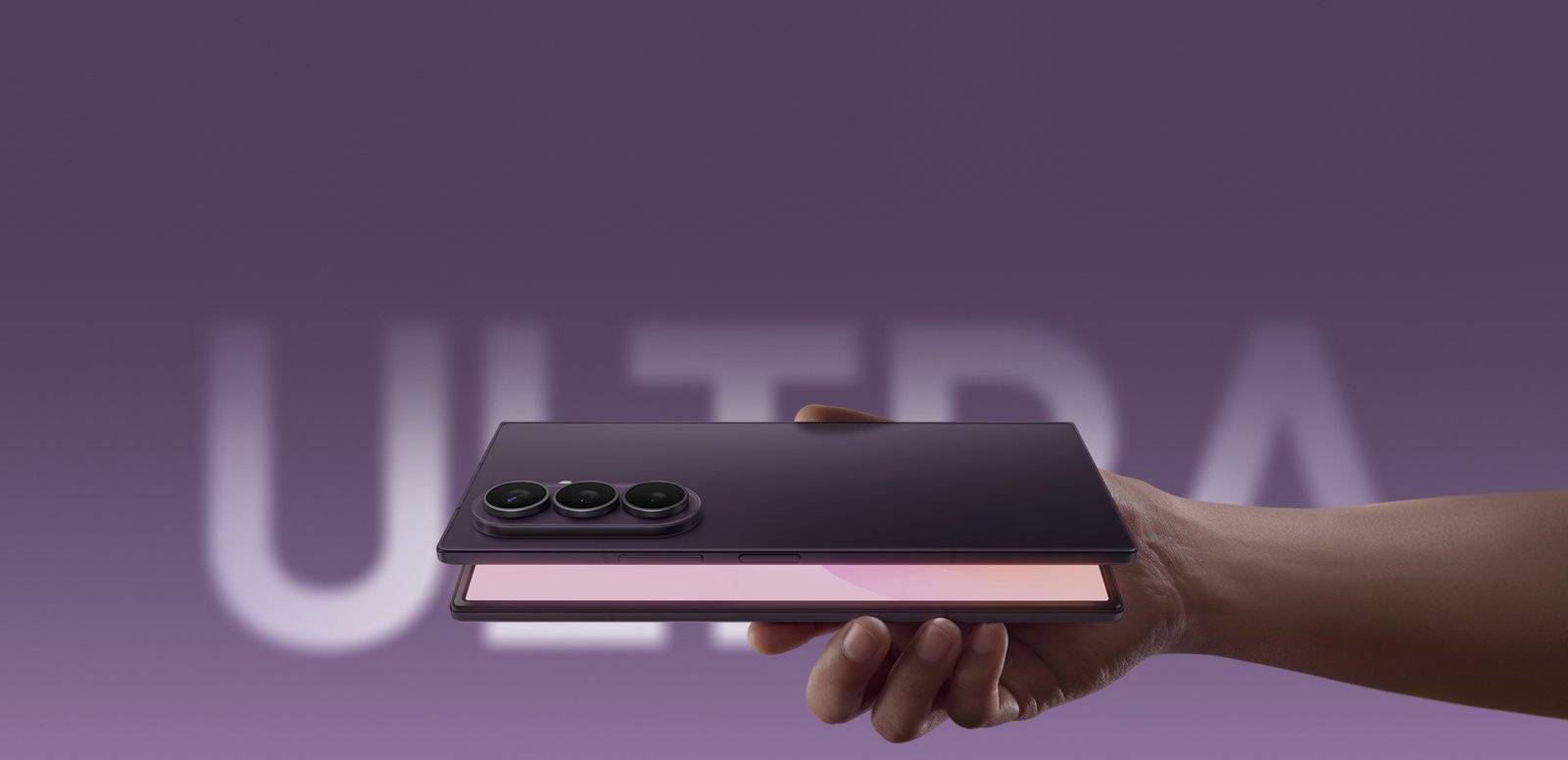
For years, moving from iOS to Android felt like joining an entirely different civilization where your passwords, custom accessibility settings, and active eSIM profiles were left behind at the border. Samsung is actively dismantling those walls. With the arrival of One UI 9 and the latest generation of foldable devices, the company has overhauled its Smart Switch app to make the migration path from an iPhone as frictionless as possible. Apple fans can now jump ecosystems without even needing to download a companion app on their iOS device.
Breaking Down the One UI 9 Smart Switch Upgrade
Previous iterations of Smart Switch forced users to choose between a wireless transfer with limited data types or a wired connection if they wanted a complete system clone. One UI 9 eliminates that friction entirely. Wireless transfers now support every single data type previously reserved for cable hookups, powered by a new migration system developed by Google and Apple under the Android 17 framework.
More importantly, the ecosystem boundary has shrunk to accommodate granular personal data that users rarely want to recreate manually. Here is what now moves wirelessly from an iPhone or iPad running iOS 26.6 or later directly to a Galaxy Z Flip 8, Fold 8, or Fold 8 Ultra:
- Passwords and Passkeys: All securely stored login credentials transfer over without requiring manual vault rebuilding.
- Accessibility Settings: Custom display scales, screen readers, and touch accommodations move intact.
- Call History: Recent voice logs sync directly into the One UI dialer.
- Wi-Fi Networks: Saved wireless SSIDs and access credentials migrate automatically.
- eSIM Profiles: Carrier profiles transfer over the air during initial setup.
Core items like apps, app data, alarms, calendars, contacts, home screen layouts, messages, and voice memos round out the payload. For now, this upgraded wireless suite is exclusive to One UI 9 hardware like the new foldables, though it is expected to trickle down to standard candy-bar flagships once the software exits its beta phase.

Hardware Convergence: Why Samsung is Borrowing Pages from Apple
This software flexibility is part of a broader, more calculated hardware shift. Look closely at upcoming device roadmaps, and a clear pattern emerges. Samsung is intentionally reducing the foreign feel of its hardware for anyone holding an iPhone. Leaked schematics for the upcoming Galaxy S27 series point toward a camera island layout bearing strong resemblances to Apple’s modern pro designs, while official flagship cases now embrace magnetic alignment accessories mirroring MagSafe.
When the physical handset feels familiar and the data migration takes minutes without third-party app installations, the psychological barrier to switching evaporates. The long-standing rivalry between iOS and One UI is shifting away from platform lock-in toward a battle of broader ecosystems, where watches, tablets, and smart rings dictate loyalty rather than basic messaging compatibility or file sharing.
Market Pressures and Pricing Dynamics
At the same time, retail pricing is reacting aggressively to the shifting calendar. Ahead of upcoming autumn hardware cycles, US retailers have heavily discounted current flagships. The Samsung Galaxy S26 Ultra has seen its price slashed by up to $338 on Amazon for specific colorways, bringing the 256GB Cobalt Violet tier down to roughly $961 (approx. ₹79,999 INR), while official channels list it at $1,099 with store credit.
Global component costs, particularly an ongoing memory and silicon crisis, threaten to inflate the baseline pricing of upcoming 2027 releases across every major manufacturer. Securing a discounted current-generation Ultra or jumping to a foldable using the streamlined One UI 9 migration tool represents a very different value proposition than waiting out industry-wide price adjustments.