The Death of the Power Bank?
We have all been there. You are halfway through a long commute on the Mumbai local or stuck in a Bangalore traffic jam, and your phone hits that dreaded 5% mark. You start sweating. You look for a socket, but there are none. You reach for your power bank, which is probably buried at the bottom of your bag, half-charged itself. It is a cycle of anxiety that we have lived through for years.
But that cycle is about to be broken. We are officially entering the era of the 10,000mAh smartphone battery. This is not just a minor incremental upgrade like going from 4,500mAh to 5,000mAh. This is a massive, fundamental shift in how we power our lives. And the reason it is happening now is because of two things: AI and a chemical breakthrough called silicon-carbon technology.

Why Silicon-Carbon is Changing Everything
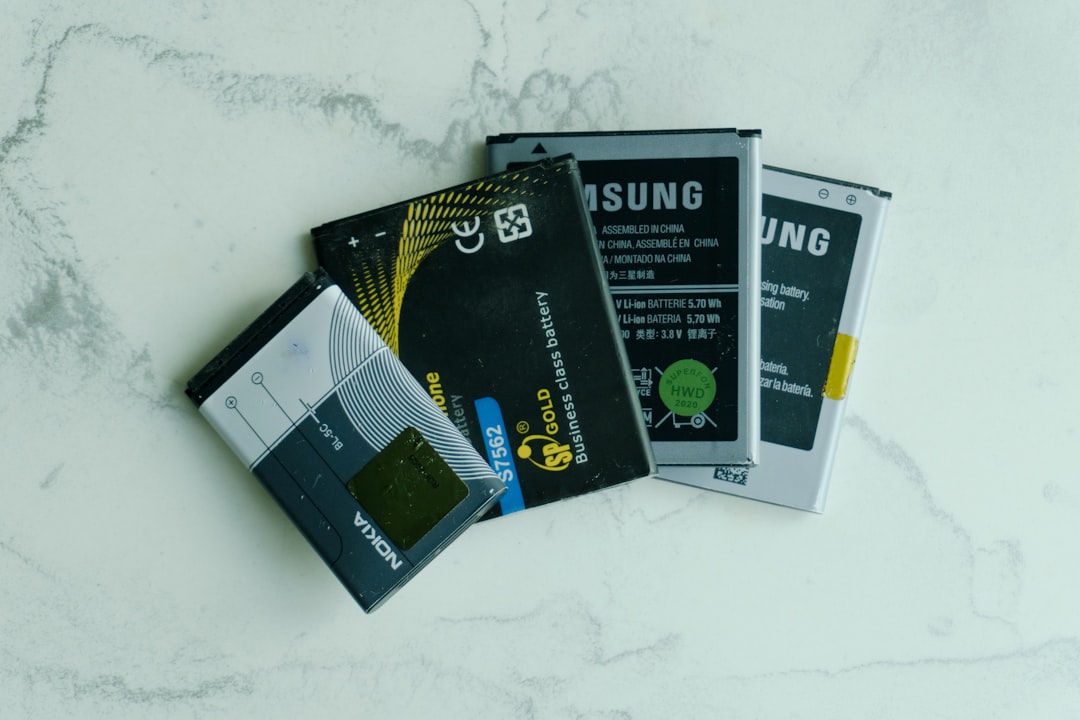
For decades, smartphone batteries have relied on graphite anodes. Graphite is fine, but it has its limits. Think of it like a small, cramped apartment in South Delhi; you can only fit so much in before things get messy. Silicon, on the other hand, has a theoretical capacity that is ten times higher than graphite. It is like moving from that cramped apartment into a massive, sprawling bungalow in Alibaug. It can hold way more energy in the same amount of space.
But silicon has a problem: it expands when it charges, which can destroy the battery. This is where the engineering magic happens. Companies like OPPO are using a third-generation silicon-carbon technology that turns irregular silicon blocks into tiny, highly regular spheres. These spheres are just 1.2nm in size. This helps distribute force evenly, meaning the battery can handle the expansion without breaking. This tech allows for a 3.5% higher energy density and 500 extra charge cycles, making the device thinner while holding much more power.
The Race to 10,000mAh: Who is Leading?
The 10,000mAh club is getting crowded. OPPO has just announced the A7 Pro Max, which is one of the heavy hitters in this new category. They are joined by Honor, vivo, and realme in this race. Even Huawei and Xiaomi are expected to jump in soon. According to Counterpoint Research, smartphones with 6,000mAh batteries or more already made up 35% of the market in 2026, a huge jump from just 10% in 2025. This is not a trend; it is a new standard.
The AI Power Drain Problem
Why do we suddenly need such massive batteries? Because the software is getting hungrier. On-device AI models, like the 4-billion-parameter models being integrated into phones, are absolute energy vampires. Running a complex AI task for just two hours can drain a 6,000mAh battery faster than you can say “Swiggy order placed.” The between-device AI inference is creating a massive new power bottleneck, making these huge batteries an absolute necessity rather than a luxury.
What This Means for Indian Users
The Indian market is unique. We have a massive population of delivery riders, outdoor workers, and travelers who rely on their phones for everything from navigation to earning a living. For them, a 10,000mAh battery is not just a gadget spec; it is a lifeline. A phone that can last two full days of heavy use without needing a charge is a game-changer for the chaos of Indian streets.
While many of these ultra-high-capacity phones are currently being launched in China first due to regulations, we are seeing the shift happen globally. The Honor X70 5G, for example, has already hit the scene with an 8,300mAh battery and 80W fast charging. In India, we usually see these technologies trickle down to the mid-range segment a bit later, but once they arrive, they will redefine what’s what in the mobile market. No more searching for a socket in a cafe or worrying about your phone dying during a long train journey.
The Future of Battery Tech: Beyond Silicon-Carbon
The industry is looking even further ahead. We are already hearing whispers of 12,000mAh and even 15,000mAh batteries being researched. The ultimate goal is solid-state electrolytes and pure lithium metal anodes, which could eventually make our phones even thinner and more powerful. We are in the middle of a massive energy revolution, and for the first time in a long time, it feels like our phones are finally catching up to our digital lives.