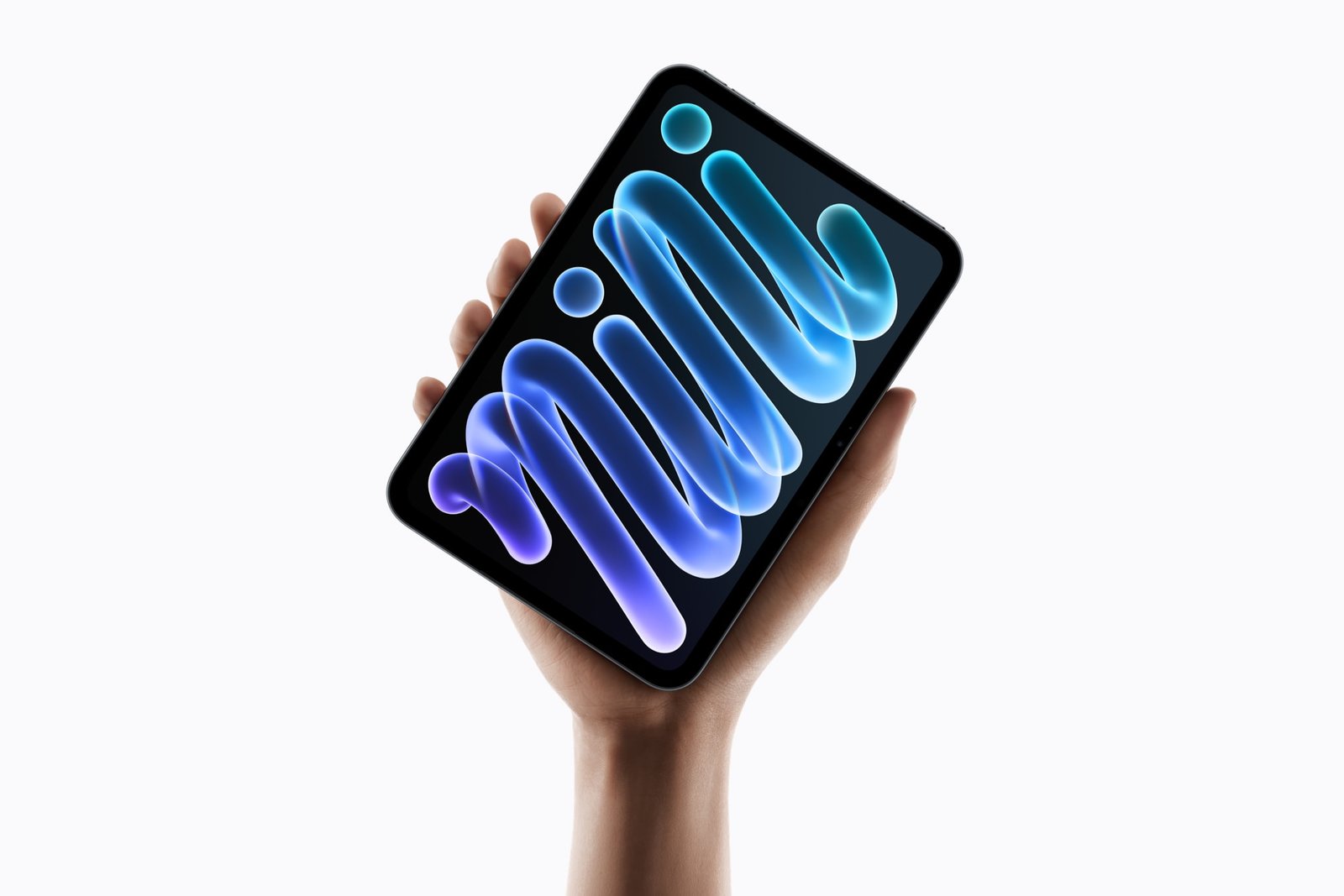
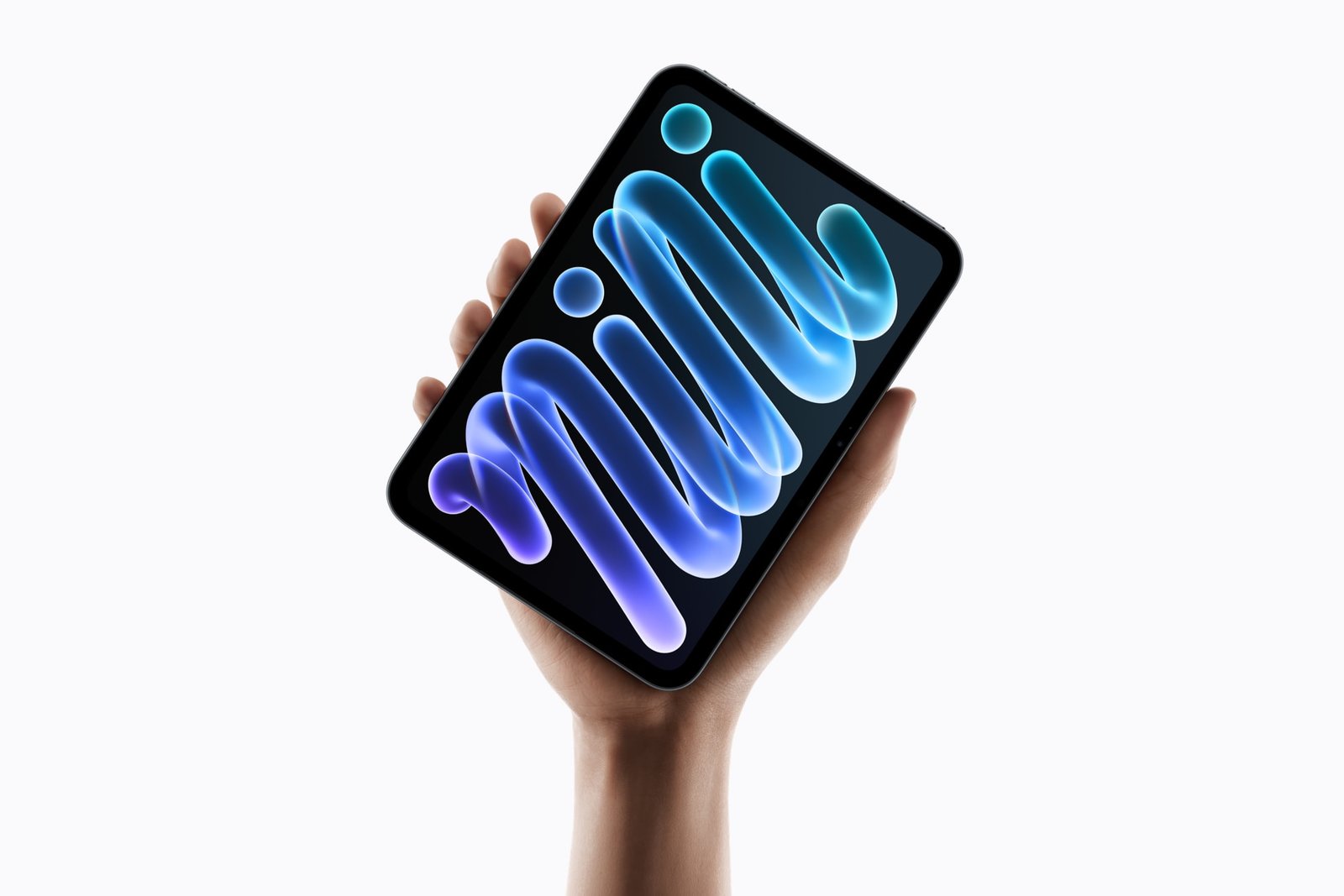
Apple officially introduced the eighth-generation iPad mini, executing the most extensive redesign in the compact tablet’s history. The refreshed model replaces the previous LCD screen with an 8.5-inch Super Retina XDR OLED display, reduces chassis thickness to 5.4mm, introduces IP67 dust and water resistance, and incorporates the 2-nanometer A20 Pro application processor alongside custom in-house wireless silicon.
Also Read: Apple Unveils Redesigned iPad Mini With OLED Screen and A20 Pro
Announcement Highlights:
- 8.5-inch Super Retina XDR OLED display offering 1,200 nits peak brightness and optional nano-texture glass.
- 2nm A20 Pro processor delivering up to 4.5x faster local AI execution and 2.7x improved GPU performance.
- First water-resistant iPad with an IP67 rating, enabled by hole-free Acoustic Display audio architecture.
- Base 128GB Wi-Fi configuration priced in India at ₹82,900 ($699), with retail availability starting November 6.
OLED Architecture and the Acoustic Display Panel
The centerpiece of the hardware overhaul is an 8.5-inch Super Retina XDR OLED display. By trimming bezels by 24 percent, engineers fitted the larger screen into the exact footprint of the previous 8.3-inch model. The panel features a 2316 x 1512 resolution at 326 pixels per inch, achieving a 2,000,000:1 contrast ratio. Peak HDR brightness reaches 1,200 nits, while SDR output tops out at 600 nits. The screen can dim down to a single nit for comfortable reading in zero-light settings. Like the iPad Pro, buyers selecting higher storage tiers can add anti-reflective nano-texture glass. Apple retains a 60Hz refresh rate rather than deploying ProMotion display drivers.
Achieving an IP67 immersion rating required redesigning the audio subsystem. Traditional speaker grilles along the perimeter have been eliminated. Instead, Apple implemented an Acoustic Display system that drives audio directly through the screen. Specially designed low-frequency woofers project vibration through the OLED substrate, while miniaturized tweeters sit between the front glass and the aluminum enclosure. This sealed internal layout allows the iPad mini to survive freshwater submersion up to one meter for thirty minutes.
A20 Pro Silicon and Tiered Core Configurations
Manufactured on TSMC’s 2-nanometer node, the A20 Pro processor brings architectural parity with Apple’s premium smartphone lineup. The chip integrates hardware-accelerated mesh shading, ray tracing, and dedicated Neural Accelerators inside each GPU core. For machine learning, the platform accelerates local Large Language Model tokens by up to 4.5 times compared to the A17 Pro.

Apple introduced a silicon distinction based on internal storage capacity. The 128GB and 256GB models carry an A20 Pro configured with a 5-core CPU (two high-performance super cores and three efficiency cores) and a single 16-core Neural Engine. Customers purchasing the 512GB tier receive an unbinned 6-core CPU (two super cores and four efficiency cores) alongside a Dual 16-core Neural Engine spanning 32 total cores. Memory bandwidth doubles across all variants, providing necessary throughput for on-device Apple Intelligence tools in iPadOS 27.
Connectivity and Imaging Upgrades
The tablet moves away from third-party basebands by integrating two proprietary Apple communications chips. The N1 controller delivers Wi-Fi 7, Bluetooth 6, and Thread protocol connectivity. Cellular variants carry the C2 5G modem, which increases mobile data throughput by up to 50 percent while cutting battery draw. Physical SIM trays are gone worldwide, moving cellular connectivity entirely to digital eSIM activation.
Video calling usability improves with the relocation of the 12-megapixel Center Stage camera to the tablet’s horizontal landscape edge. The rear 12-megapixel sensor now features an Adaptive True Tone flash designed to eliminate harsh document glares during scanning routines. The tablet retains full compatibility with the Apple Pencil Pro, supporting haptic feedback, barrel rolls, and squeeze gestures.
Hardware Specifications: Generation Delta
| Feature | iPad mini (8th Gen, 2026) | iPad mini (7th Gen, 2024) |
|---|---|---|
| Display | 8.5-inch Super Retina XDR OLED (60Hz) | 8.3-inch Liquid Retina IPS LCD (60Hz) |
| Peak Brightness | 1,200 nits (1 nit minimum) | 500 nits |
| Chassis Thickness | 5.4 mm | 6.3 mm |
| Water/Dust Resistance | IP67 certified | None |
| Processor | Apple A20 Pro (2nm, 5-core or 6-core) | Apple A17 Pro (3nm, 6-core) |
| Front Camera | 12MP Center Stage (Landscape Edge) | 12MP Ultra Wide (Portrait Edge) |
| Wireless Silicon | Apple N1 (Wi-Fi 7, Bluetooth 6) | Broadcom (Wi-Fi 6E, Bluetooth 5.3) |
| Cellular Modem | Apple C2 5G (eSIM only) | Qualcomm Snapdragon 5G (eSIM/nano-SIM) |
| Starting Price | ₹82,900 ($699) | ₹49,900 ($499) |
Retail Pricing and Regional Availability
Pre-orders for the tablet begin October 28 across 36 countries, including India and the United States, through the Apple Store online and authorized retail partners. General shipments and physical store availability commence Friday, November 6. Color options include Midnight and Starlight.
Official Indian retail pricing confirms a higher price bracket compared to past models:
- 128GB Wi-Fi: ₹82,900 ($699)
- 256GB Wi-Fi: ₹94,900 ($799)
- 512GB Wi-Fi: ₹1,18,900 ($999)
- 128GB Wi-Fi + Cellular: ₹1,00,900 ($849)
- 256GB Wi-Fi + Cellular: ₹1,12,900 ($949)
- 512GB Wi-Fi + Cellular: ₹1,36,900 ($1,149)
Accessories launch concurrently, including the redesigned TechWoven Smart Folio at ₹7,900 ($79) in navy blue and taupe finishes, the Apple Pencil Pro at ₹11,900 ($129), and the entry-level Apple Pencil USB-C at ₹6,900 ($79).
Market Alignment and Competitive Pressure
The price leap positions the iPad mini into a higher market category. While Android rivals such as the Redmagic Astra 2 field high-refresh 185Hz OLED panels and Samsung concentrates display engineering on larger form factors like the Galaxy Tab S12 series, Apple dominates the sub-9-inch premium tablet landscape. By bringing OLED contrast, IP67 durability, and flagship silicon into a 255-gram slate, Apple establishes a compact workstation profile, distinct from standard budget media tablets.